November 8, 2026
Tiny Habits, Lasting Change
The science behind the Tiny Habits method and why small changes lead to lasting behaviour change.
We have more choice, more sources of information telling us how to live a better, healthier life, than ever before. But is more information what we need to help us reach our goals?
Perhaps you want to take better care of yourself, make more time for what you most care about, or bring greater balance and joy into your life. You know what you’d like to change, but making it happen can feel surprisingly difficult.
With so many demands on our time and energy, the thought of changing our diet, improving our sleep, exercising more, nurturing our relationships or spending less time on screens can quickly become overwhelming. We may end up feeling frustrated with ourselves, wondering why it’s so hard to follow through on our intentions.
In no time, we can get caught up in what I call ‘shoulding’, and give ourselves a hard time: I should lose weight, I should be a better friend, I should do less, I should meditate more... Many of us know what it’s like to have good intentions to change, only to realise that we haven’t managed to live up to them.
Already we might be struggling with whatever is happening in our life, and then on top of that, we are trying to make all these other big changes. We might have a health condition, a flare up or a stressful time in our life, and we think the best route is to change everything. As a result, we tend to want to bring about change too quickly and all at once.
It often leads to a sense of confusion and of too-muchness, and we end up not doing anything.
Sounds familiar?

The good news is: there is another way to change, one that can set us up better for success.
It’s called the the Tiny Habits method.
This method consists of three parts: We need to identify and understand our (1) values, (2) goals and (3) tiny habits that we can succeed at.
Values are our deepest motivations behind our actions; about who we are, what we care for, and what we long for; about what makes life worth living. For example, love and connection with the family, becoming a kinder parent, friend, partner or being truthful and honest.
Goals are based on our values: It’s about what we want, for example: getting physically fit, cooking fresh food more often, learning a language to communicate with my partner’s family.
Tiny habits are about the How. How to achieve the goal, what we want.
B.J. Fogg, a behaviour change scientist at Stanford University, has done a lot of research in the field of behaviour change through tiny habits. He found out that the tiny habit practice has three vital ingredients: motivation, ability and a prompt.
When we have high motivation for something we want to change, but it’s hard to do, we are less likely to reach our goal. To help ourselves succeed, it is best to aim for something we feel motivated to do and that is easy to do.
High motivation + easy to do = success
Here is how it works in three easy steps:
- You have a prompt
- You have your tiny behaviour
- You have an instant celebration
For example
My goal is to floss my teeth every day. What matters to me is (value): healthy teeth and hence less visits to the dentist.
I link my new behaviour (flossing my teeth every day) to an existing habit or routine, e.g. brushing my teeth every night. This established habit can then serve as a prompt: Once I've brushed my teeth (prompt), I floss just one* tooth (tiny habit). As I begin to do the tiny habit, new neurons fire and wire in the brain. This is because the brain is plastic and can change. It’s called neuroplasticity.
And then I celebrate completing the habit by saying: Yes, hurrah, I did it! It feels really good. This way I generate positive emotion, and it is more likely that I will do it again.
*Note, when starting to build a new habit, the tinier the habit is, the more confident we can be that we'll stick with it. This is why I start by just flossing just one tooth. Once that habit feels easy, I can move to flossing two teeth, and then my top teeth, and so on...
The instant celebration plays a crucial role in this process, because we get a little dopamine hit when we say to ourselves: WELL DONE! B.J. Fogg has provided much scientific evidence (in his book Tiny Habits) that this is one of the most important parts of behaviour change. It’s because our brain registers: Great, that feels good, I want to do it again!
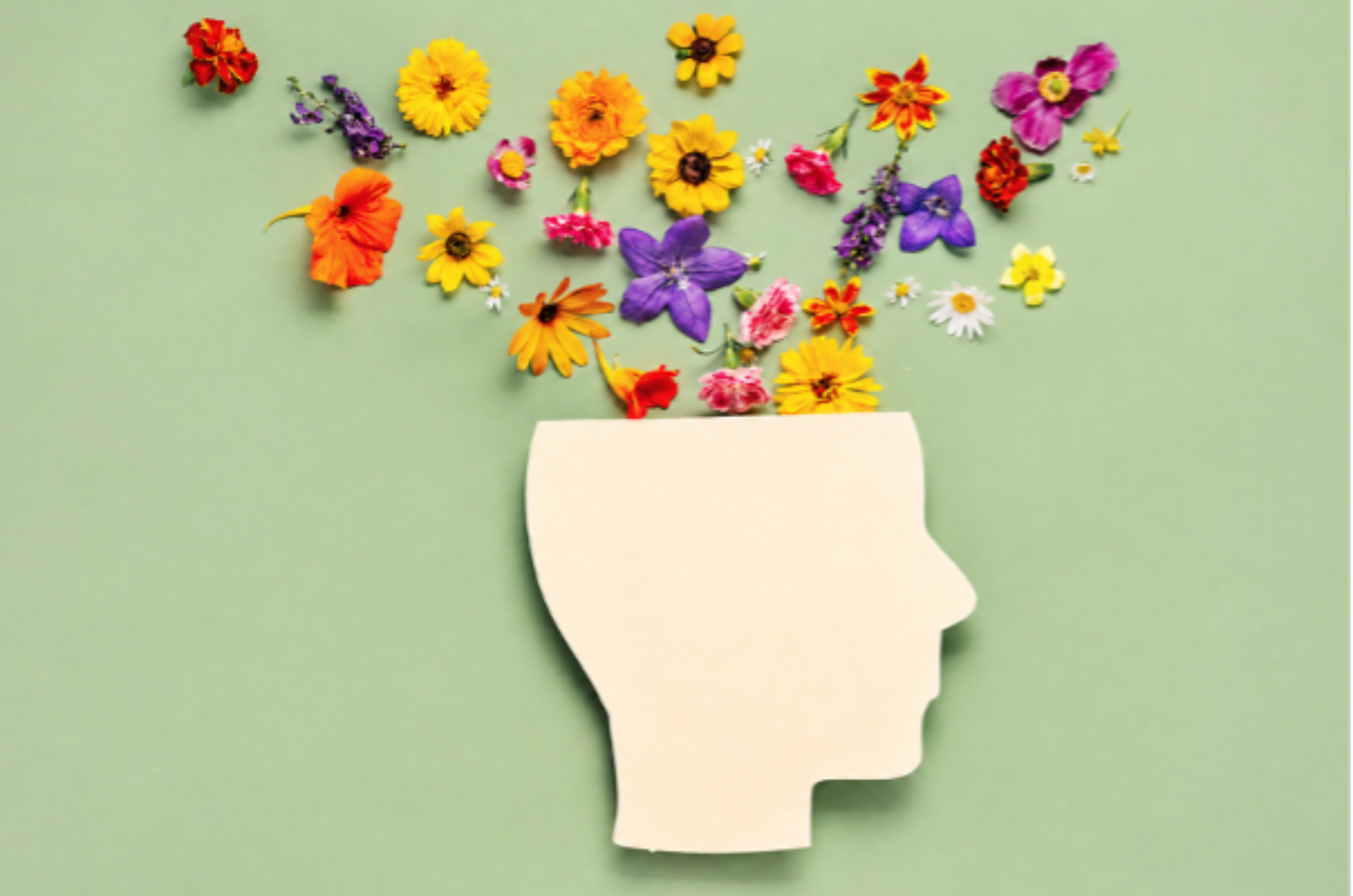
James Clear, author ofAtomic Habits, has also done an interesting piece of research. He found out that if we do something 1% better every day, after one year we have become 37% better at it.
It’s most encouraging, isn’t it?
I’ll leave you with an equally inspiring quote by Donella Meadows from her book Thinking in Systems. She was an influential systems thinker who sadly died too early.
“The better things get, the more I’m going to work to make them even better."
What she is saying here is that we can cultivate a positive re-enforcing feedback loop, a positive mind-set, which is helpful to work against the negativity bias*. It means that change is possible. In fact, change is intrinsic to all life. It happens naturally whether we want it or not. Forming tiny habits with mindfulness makes change intentional in all areas of our life. And most importantly: this method can help us make changes that last, so we can move towards the goals that matter to us.
*The negativity bias is our psychological tendency to pay more attention to negative information than positive information.
Sat, 16 January 2027: New Year Online Retreat
I'm excited: For the 6th time in a row, I will be leading a New Year’s retreat. It’s a popular retreat as we learn how to keep continuity of our intentions.
Click here for more info & too book your placeCurious about Tiny Habits?
We often try to change too much, too soon, and all at once. What if lasting change could start with something really small?
Book a complimentary introductory chat to discover how the Tiny Habits method could help you make positive changes that stick.