September 17, 2026
What does forgiveness mean to you, to us?
Forgiveness is rarely simple. It cannot be forced or rushed. It is certainly not about forgetting.
This summer (2026) I attended a week-long conference in Caux, Switzerland, on the theme of forgiveness. The personal stories, questions, discussions and workshops are still rippling through me. It was deeply thought-provoking, heartfelt and, at times, challenging.
Understanding and practising forgiveness is closely linked to my work in restorative justice, conflict resolution and repairing relationships.
Forgiveness is rarely simple. It cannot be forced or rushed. It is certainly not about forgetting. It means different things to different people. Yet creating safe spaces to explore it together reminded me that the inner capacities we cultivate – presence, empathy, courage, humility and compassion – have the potential to transform not only ourselves, but the relationships and systems we are part of.
Perhaps the hardest form of forgiveness is self-forgiveness. It requires us to face shame and work at a deep identity level.
Nasi Moor, co-author of Forgiveness is Really Strange and co-creator of the Forgiveness Toolbox (see link below), says: "As human beings we have a deep, profound psychological need to be seen as morally sound." We defend our moral integrity, yet we can also see the consequences of our actions and their irreversibility. In this sense, self-forgiveness is profoundly challenging.
A useful distinction between guilt and shame is that guilt relates to our actions, while shame relates to how we see ourselves. We feel guilty about what we've done; we feel shame about who we are. Self-forgiveness becomes possible when we can hold our bruised hearts as part of who we are, rather than believing they define us.
Forgiving and letting go of hurt can feel deeply unappealing because it means giving up a hard-won sense of power and the moral high ground that comes from seeing ourselves as the betrayed and the other as the betrayer. Self-forgiveness begins when we can once again meet ourselves and others with kindness and compassion.
David Whyte, in Consolations, describes forgiveness as a heartache because it refuses to eliminate the original wound but instead draws us closer to its source. To approach forgiveness is to close in on the nature of the hurt itself... the only remedy being… to reimagine our relationship to it.
His words reminded me of my relationship with my sister. As children I felt bullied, dismissed and pushed away. I developed deep hatred towards her as a way of protecting myself.
Later, through therapy and spiritual practice, I gradually began to explore what family life had been like for her. At first this felt risky because I feared losing the protection my aversion gave me. Instead, I began to recognise that she had suffered as much as I had – it had simply expressed itself differently: hers through anger, mine through anxiety.
My hatred disappeared and I could relate to my sister simply as another human being. We haven't become close, but my relationship to her has fundamentally changed.
Nothing binds you more to the object of hatred than your own aversion. - Yongey Mingyur Rinpoche
As my hatred towards my sister disappeared, so too did much of my resentment and desire for revenge. These are sticky, painful states of mind that keep us from living fully. They don't arise only in response to major betrayals; they show up in everyday life through gossip, sulking, withholding, envy, put-downs, infidelity or refusing to acknowledge someone.
Over the years I have had to learn to cultivate what I think of as a forgiving mindset. It means recognising that people can see the world differently without being bad or wrong.
A forgiving mindset doesn't deny anger, hurt or disappointment. Rather, it allows us to respond with compassion instead of rage. Blame is no longer our default position. We become better able to move beyond our own hurt and recognise the hurt of others.
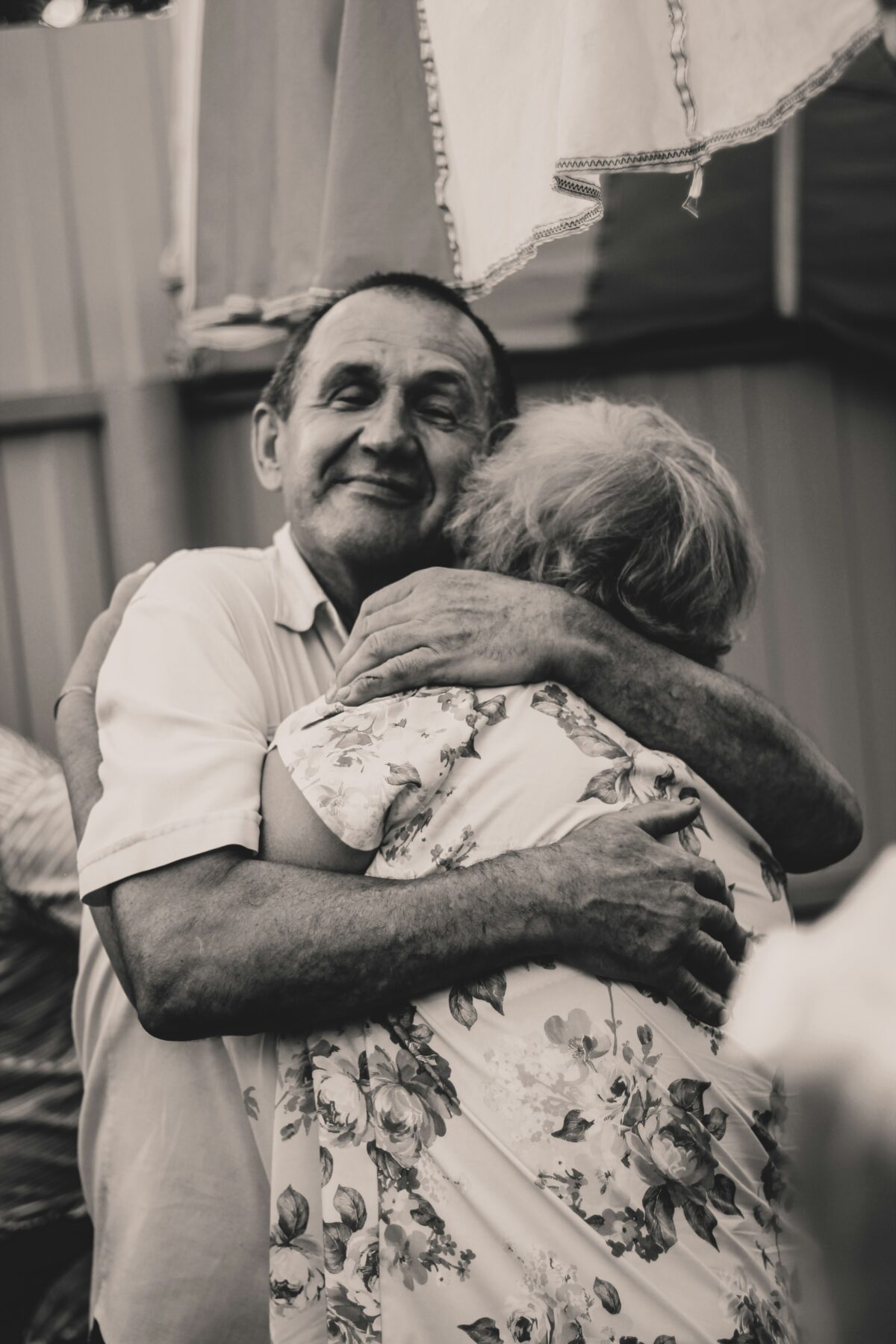
Practising this takes time.
Here are a few ways to begin:
- Notice what you're feeling. Where do you feel it in your body? What emotions and stories are present?
- Pause and breathe. Create space to acknowledge your experience with curiosity and kindness.
- Gently widen your perspective. What might the other person's struggle or suffering be?
- Ask yourself: what is one small step I can take towards greater understanding, connection or release?
Finally, I am left wondering, at a time of continued wars, increasing hatred and growing fragmentation: can forgiveness help change society?
Too often we think of forgiveness as something deeply personal. But what if it is also a social practice? What if the way we build our relationships, organisations, communities and nations determines whether forgiveness is even possible?
One of the conditions that makes forgiveness possible is creating spaces where people feel safe enough to be vulnerable. Forgiveness does not happen in isolation. It is shaped by the conditions we create together, recognising that our healing is intertwined with the healing of others.
Ben Okri expresses this beautifully:
Stories are the secret reservoir of values: change the stories individuals and nations live by and tell themselves, and you change the individuals and nations.
I'll leave you with a few questions:
- What kind of person do you want to be?
- What do you most care about?
- What kind of world do we want to create together?
I imagine one of the reasons people cling to their hates so stubbornly is because they sense, once hate is gone, they will be forced to deal with pain. – James Baldwin
Resources:
Books:
Forgiveness by Marina Cantacuzino
Forgiveness is Really Strange by Nasi Moor and Marina Cantacuzino
On Forgiveness by Richard Holloway
Tools:
The Forgiveness Toolbox made available by the Forgiveness Project
https://www.theforgivenessproject.com/forgiveness-toolboxes/
I offer workshops on Nature-Connected Ways of Practising Forgiveness
How do we acknowledge forgiveness, feel our hurt with courage, kindness and compassion?
Get in touch to find out moreYou can also explore what forgiveness means to you in 1:1 coaching
Why not book an initial free taster session with me?
Click here to book an initial chat