September 17, 2026
Taking ‘Action’ to foster positive change for oneself, others and society
As social and relational beings, how we relate to ourselves, others and the wider society matters.
This theme struck me for three reasons:
1. It doesn’t focus on the individual alone.
2. It implies that we are interconnected vs separate, that our actions have consequences for others and the world.
3. And this in turn means that we have to take responsibility for our state of mind and heart.
We are all searching for connection, meaning and belonging. So how can we begin to care again for self, others, world?
We need to be present.
We need to pay attention to what is happening inside of us, between us and around us. And we need to recognise just how easy it is to lose this awareness.
There is a growing recognition in western society now that much of the profound malaise of our time stems from an alienation from the natural world, and hence from ourselves, the cosmos and from each each other, leaving us with a deep sense of separation. Something indigenous peoples have known, lived and modelled ever since human life began.
This malaise takes on a number of guises in all areas of our lives from fear, distress, overwhelm, to exclusion, polarisation, loneliness and social isolation. We have lost our way.
Up until about 200 years ago, we lived in close-knit communities and in harmony with nature. Modern life-styles have progressively become individualistic, focused on getting one’s own needs and wants met versus caring, living and working together in communities and society.
So how can we individually and collectively take daily action that benefit everyone and everything?
We need to find a way back to taking positive action, to living and working communally. It’s the only way to bring about positive change for each other and the world.
Dacher Keltner, American professor of psychology, coined the term ‘Survival of the kindest’. Keltner argued that learning how to be kind and to cooperate, rather than compete, was critical for our ancestors, leading to better survival odds when compared to those who struggled in conflict and isolation.
‘Survival of the kindest’ might remind you of ‘survival of the fittest’ a term often associated with Charles Darwin. But he didn't coin this famous phrase. It was Herbert Spencer, a philosopher and sociologist, who first used it after reading Darwin's On the Origin of Species (1859). Darwin eventually adopted Spencer’s phrase, but he often felt it was misleading because ‘fittest’ was being misinterpreted as ‘strongest’ rather than ‘best suited to the environment’.
While Darwin didn't use the phrase ‘Survival of the kindest’, the sentiment is deeply rooted in his second major work, The Descent of Man (1871). In it, he argued that altruism, love, empathy, moral sensitivity, sympathy, and cooperation were essential for the survival of communities (source: Space is not Empty, 2025, page 187).
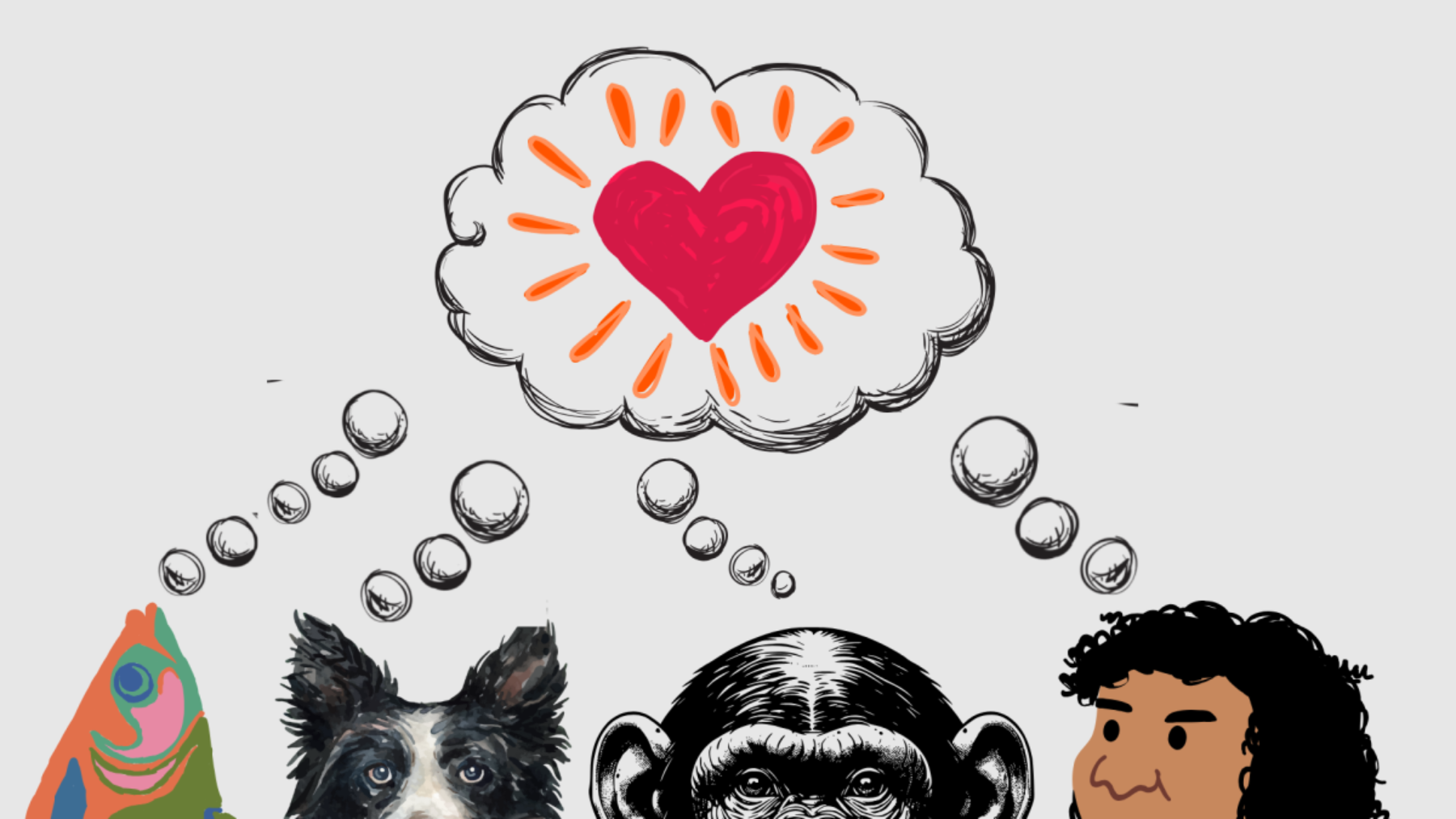
It all starts with ourselves but it doesn’t stop here. We can ask ourselves: what is the attitude I bring to myself and others? Kind curiosity or (self) judgement? Courage or avoidance? Compassion or horrified anxiety or pity?
We often judge kindness and compassion as self-indulgent. But it’s quite the opposite. It’s a paradox: the kinder and more compassionate we are towards ourselves, the more capable we are of caring for others.
This means the quality of the relationship we have with ourselves, determines the quality of the relationship we have with others and the wider life.
Tending to the relationship we have with ourselves opens the mind and heart towards self and others, because we are not busy anymore judging ourselves, tensing up and closing down. Remember: when someone judges us, we can walk away, but we can’t walk away from our own harsh judgements, hence we close down, disconnect, from self as not to feel the pain of our self-criticism. This, of course, never works, and instead takes us deeper into disconnection, despair and potentially into depression.
Tending to our relationships allows us to come into loving and caring relationship with self-others-society-planet-cosmos, and hence strengthen our sense of connection and being part of of a wider web of life.
When we are in caring connection with self-others-society our actions of thinking, speaking and behaving change.
And of course, the intention behind our behaviour matters because intentions drive behaviour.
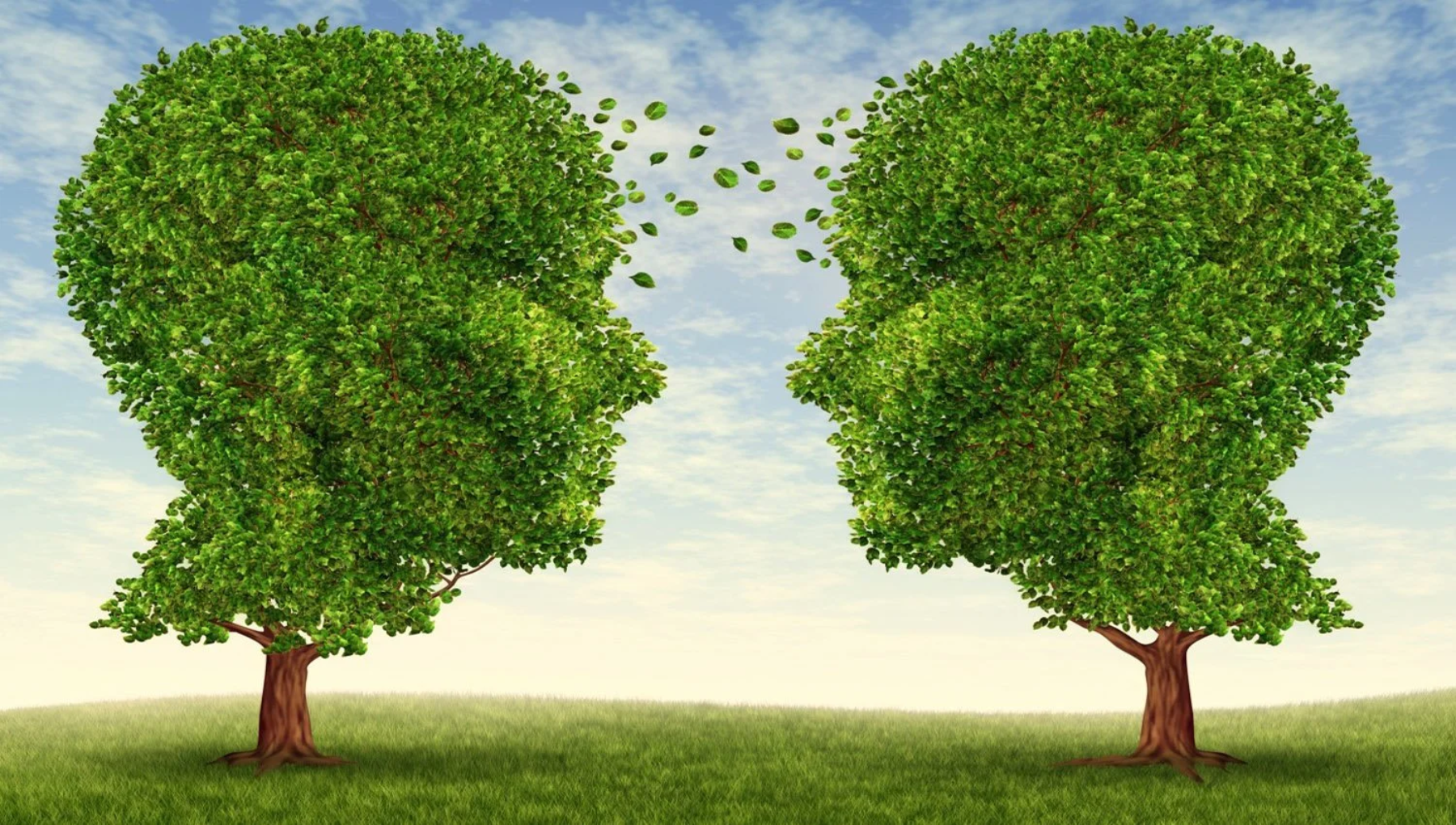
Here are some actionable tips that will foster positive change for ourselves, others, society:
Intention and attitude behind actions are key
The mental state or attitude behind our intention shapes everything, i.e. how we attend to ourselves and others.
You can begin to pause and and ask:
Am I open, curious, and kind - or closed, defensive, and judgemental?
When you feel closed, defensive, judgemental, it’s a signal to take a few conscious breaths with self-compassion, and to ask: How do I want to be, how do I want to show up in this situation?
Relationality: How am I relating?
Relating, being aware of self and others, is the ability to see beyond the self, to move from ‘what I need and want’ towards ‘what the other needs and wants’ and ‘what the community I live in needs and wants, what ‘society needs and wants’. It replaces a more anthropocentric, individualistic and ego-centric way of being in the world with a more eco-centric way of living.
You can ask yourself:
- What do I need and want?
- What do others need and want?
- What does society needs and wants?
Small is beautiful
Often we think our actions need to be big to be impactful. Often less is more. Small actions, such as a kind word, a helping hand, a listening ear go a very long way. However, in our day-to-day busyness the opportunities for small positive actions can easily pass us by.
Set an intention daily to do at least one positive action for someone else. As you go about your day, pay attention to opportunities to do something for others, for life around you.
- Listening more, giving someone your full attention at home, at work, in your local community.This is one of the greatest gifts we can give to someone.
- Helping someone with a task or project.
One of my friends is currently dealing with a very challenging project at work. I’ve been checking in with her regularly (not just once, but really bearing her in mind, being alongside her). - Finding small ways to support local ecosystems or neighbourhood projects.
I recently offered a free nature connection walk in my loal park in East London.
It made my heart sing.
As you extend your awareness towards others and the wider life, notice the positive impact it has on you.